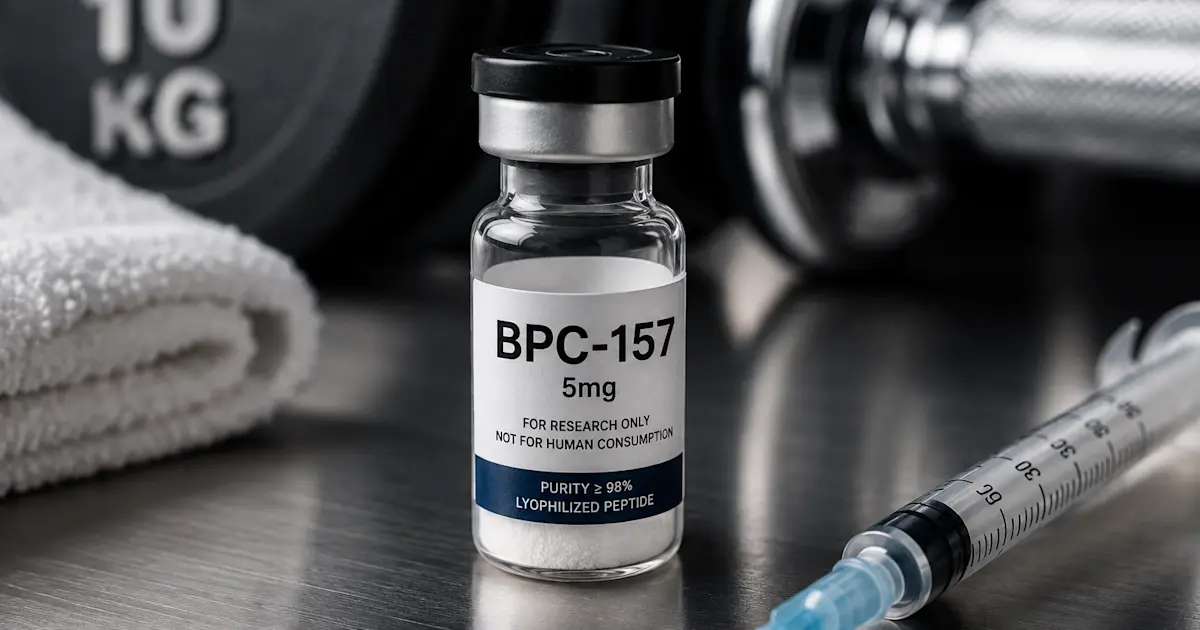
Immune Modulation: The peptide's effects on inflammatory pathways suggest caution for: Active autoimmune conditions Immunocompromised individuals Those taking immunomodulatory medications Populations Requiring Extra Caution Avoid or Use Extreme Caution: Active cancer or history of cancer Pregnancy or breastfeeding Children and adolescents Severe cardiovascular disease Active infections Immediately pre or post-surgery (without medical guidance) Drug Interactions Theoretical Interactions Given BPC-157's mechanisms, theoretical interactions exist with: Medications Affecting NO System: Nitrates (nitroglycerin, isosorbide) PDE5 inhibitors (sildenafil, tadalafil) Some blood pressure medications Reasoning: Combined NO system effects Anticoagulants and Antiplatelets: Warfarin Aspirin Clopidogrel Direct oral anticoagulants Reasoning: Angiogenic effects may affect bleeding Growth Hormone and Related: HGH IGF-1 Other growth-promoting compounds Reasoning: Additive growth factor effects Immunomodulators: Corticosteroids TNF-alpha inhibitors Other immunosuppressants Reasoning: Overlapping immune effects NSAIDs A Special Case Interestingly, while drug interactions are generally concerning, research suggests BPC-157 may protect against NSAID damage

The soft tissue injury model was established by mechanical stress
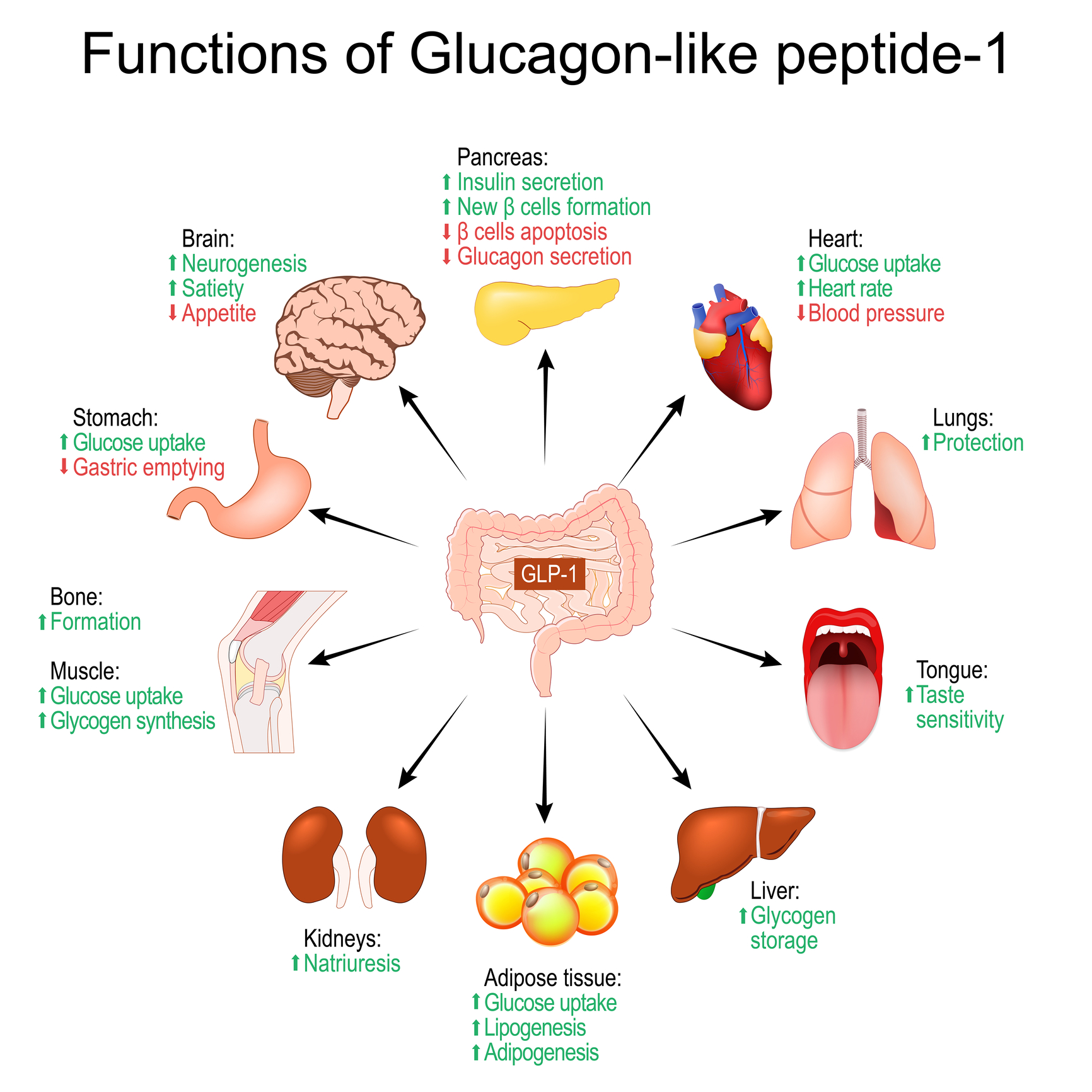
Orforglipron, a non-peptide GLP-1 receptor agonist, represents another daily oral incretin-based AOM displaying dose-dependent BW and WC reductions at 36 weeks ranging from 9.4 to 14.7% and from 9.6 cm to 13.6 cm with the 12 and 45 mg dose, respectively, in mostly female (59%) patients with a mean age of 54.2 years and BMI 37.9 kg/m 2 44
Order today while available
Adding 1 mL of BAC water to a 2 mg vial yields 2 mg/mL (200 mcg per 0.1 mL)