Steckiewicz K, Barciska E, Malankowska A, Zauszkiewicz-Pawlak A, Nowaczyk G, Zaleska-Medynska A, et al

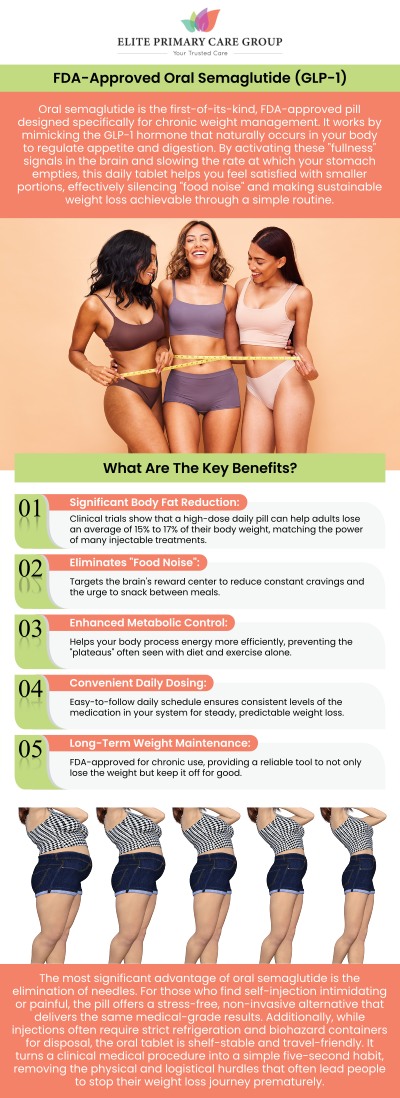
Some common case types include: GLP-1 drugs such as Ozempic, Wegovy, Mounjaro, and Rybelsus, which have been linked to gastroparesis, bowel obstruction, and other serious stomach injuries Suboxone and buprenorphine products, which have been linked to severe tooth decay, tooth loss, and dental erosion Depo-Provera and other injectable contraceptives linked to meningioma brain tumors after long-term use Opioid medicines, including oxycodone, fentanyl, and hydrocodone, and claims tied to addiction, dependency, or wrongful death from overdose Blood thinners such as Xarelto, Pradaxa, and Eliquis, which have been linked to uncontrolled internal bleeding or hemorrhagic stroke Chemotherapy drugs like Taxotere, which have been linked to permanent hair loss and heart toxicity Antidepressants and SSRIs linked to birth defects, including heart problems and persistent pulmonary hypertension of the newborn Anticonvulsants such as Depakote and Topamax, linked to spina bifida, cleft palate, and other fetal injuries Zantac, also called ranitidine, and NDMA contamination linked to cancer Contaminated medications from compounding pharmacies and large manufacturers Drugs marketed off-label for uses that were not approved and were not backed by enough safety data Any prescription or over-the-counter medicine that caused serious and unexpected harm If you developed a serious condition such as organ damage, a heart event, cancer, a birth defect, severe stomach problems, or other major harm after taking a prescription or over-the-counter drug, there may be a link

Lifestyle Help: Regular exercise, balanced nutrition, proper hydration, and quality sleep often reduce fatigue and improve overall energy
For many women, it can feel Read Full The Muscle-Building Maestros: Protein and Hormones May 16, 2025 No Comments When it comes to building muscle, most people immediately think of lifting weights and pounding protein shakes
Regulation of GIP and GLP1 receptor cell surface expression by N-glycosylation and receptor heteromerization








:max_bytes(150000):strip_icc()/Health-GettyImages-1675158771-70640c9fdf1b41078975cfc3fd538a6b.jpg)