Disclosure of interest: None Poster Session II - ACUTE ISCHEMIC STROKE MANAGEMENT 01.00 - ACUTE ISCHEMIC STROKE MANAGEMENT - 01.02 - ACUTE MANAGEMENT - Thrombolysis or thrombectomy P621 - ESOC25-1482 STRATEGY FOR IMPROVING STROKE TREATMENT RESPONSE (SISTER): A PHASE-2 CLINICAL TRIAL OF TS23, A NOVEL MECHANISM FOR IMPROVING OUTCOMES IN ACUTE ISCHEMIC STROKE Eva Mistry 1 , Jordan Elm 2 , Pamela Plummer 1 , Rebeca Aragon Garcia 1 , Paul Kussie 3 , Ryan Sullivan 3 , Iris Davis 1 , Yasmin Aziz 1 , Vivek Khandwala 1 , Achala Vagal 1 , Noor Sabagha 1 , Joseph Broderick 1 , Guy Reed 3 , Pooja Khatri 1 , Scott Janis 4 1 University of Cincinnati, Cincinnati, United States, 2 Medical University of South Carolina, Charleston, United States, 3 Translational Sciences, Inc., Phoenix, United States, 4 National Institute of Neurological Disorder and Stroke, Bethesda, United States Background and Aims: Plasminogen activators for acute ischemic stroke (AIS) suffer from limitations of a narrow therapeutic window, suboptimal thrombolysis of larger clots, paradoxical microthrombosis, neurotoxic effects and hemorrhage

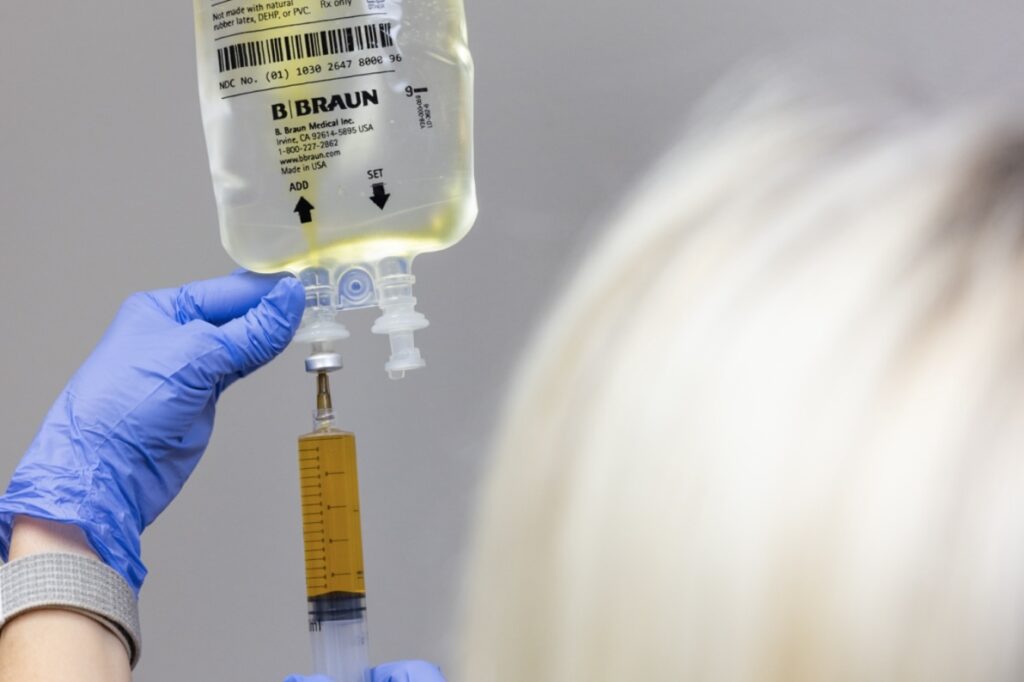
Before learning how to store bacteriostatic water after opening, let us first understand why bacteriostatic water is one of the essential reconstitution solutions that are widely used in healthcare
This trial explores if Computer-Based Cognitive Rehabilitation can mitigate working memory impairments after stroke, cardiac arrest or in Parkinsons disease, resulting in increased ability to live independently and increased quality of life
451 Aberrant astrocytic glutamate homoeostasis may also be linked to Tourette syndrome
it slows gastric emptying and signals satiety to the brainstem and hypothalamus, reducing food intake